
How to Choose the Right Precision Slitter Scorer for Your Production Needs
Jul 30,2025
Author:
How to Choose the Right Precision Slitter Scorer for Your Production Needs
Understanding Precision Slitter Scorers
Precision slitter scorers are integral to various manufacturing processes, particularly in industries such as packaging, printing, and converting. They are designed to deliver accurate cuts and scores on materials like paper, cardboard, and plastics, ultimately enhancing the final
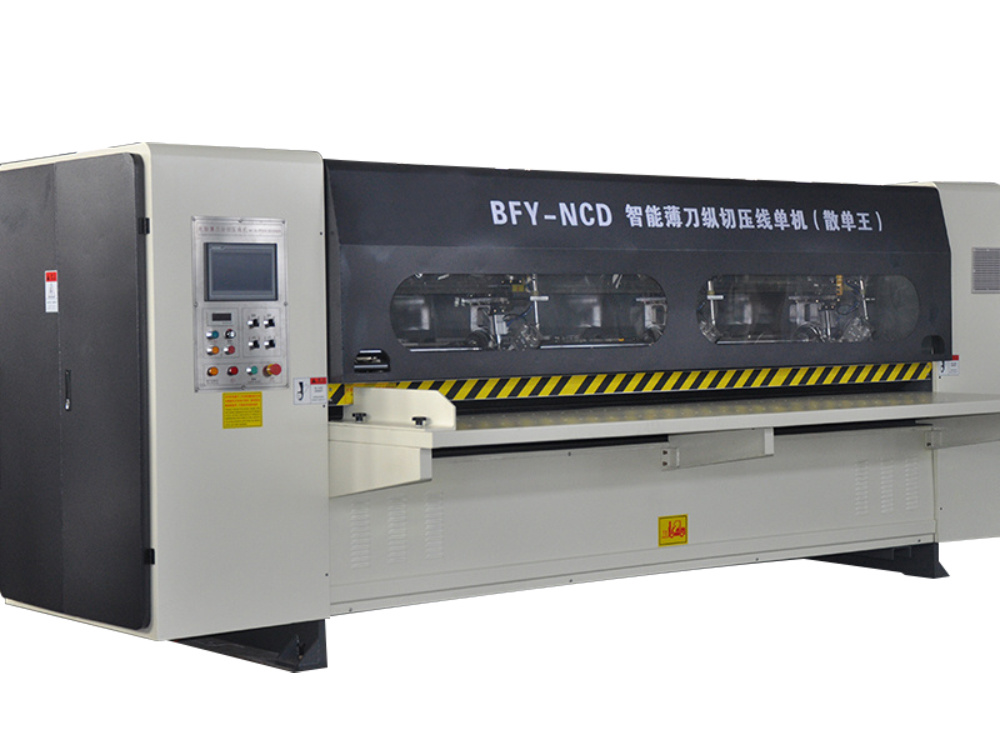
How to Choose the Right Precision Slitter Scorer for Your Production Needs
Understanding Precision Slitter Scorers
Precision slitter scorers are integral to various manufacturing processes, particularly in industries such as packaging, printing, and converting. They are designed to deliver accurate cuts and scores on materials like paper, cardboard, and plastics, ultimately enhancing the final product's quality. Selecting the right slitter scorer can significantly impact production efficiency, product integrity, and overall operational costs.
What is a Precision Slitter Scorer?
A precision slitter scorer is a specialized machine used to cut and score materials with high accuracy. It employs sharp blades and scoring wheels to create precise cuts or impressions, ensuring that materials can be easily folded, separated, or assembled. Typically used in converting applications, these machines are vital for creating packaging materials, labels, and other products that require exacting specifications.
The Importance of Choosing the Right Slitter Scorer
Choosing the correct precision slitter scorer can lead to improved production workflows, reduced waste, and enhanced product quality. Conversely, selecting an inadequate machine can result in operational inefficiencies, increased downtime, and higher costs. Understanding your production needs and operational environment will help in selecting a machine that aligns with your specific requirements.
Key Factors to Consider When Selecting a Precision Slitter Scorer
When choosing a precision slitter scorer, several critical factors should be taken into account to ensure optimal performance and efficiency.
1. Material Type and Thickness
The type of material you will be working with is perhaps the most significant consideration. Different materials, such as paper, cardboard, or plastic, require specific cutting techniques. Additionally, the thickness of the material will influence the type of blades and scoring wheels needed. For instance, thicker materials may necessitate stronger blades and more robust scoring mechanisms to achieve clean cuts without damaging the material.
2. Production Volume and Speed
Understanding your production volume is essential. High-demand production environments may require machines capable of delivering high-speed performance without sacrificing precision. Assessing the machine’s maximum operating speed and throughput can help determine if it meets your production needs. Look for machines designed for rapid changeovers and minimal downtime to maximize efficiency.
3. Cutting and Scoring Accuracy
Precision is paramount in any manufacturing process. Evaluate the machine’s cutting and scoring accuracy, often measured in millimeters or inches. High-precision machines can significantly reduce material waste and improve the quality of the finished product. Reading user reviews and seeking demonstrations can provide insights into a machine’s performance in real-world conditions.
4. Machine Size and Footprint
Consideration of the physical space available for the slitter scorer is necessary. Some machines may require substantial floor space, while others are designed for compact operations. Assessing your facility’s layout and determining where the machine will fit can help avoid logistical challenges during installation and operation.
5. Automation Features
Incorporating automation can enhance productivity and precision. Many modern slitter scorers come equipped with features such as automatic blade adjustments, digital controls, and integrated software solutions that streamline the cutting and scoring processes. Investing in machines with advanced automation capabilities can lead to significant long-term savings and efficiency gains.
6. Maintenance and Support
Assess the maintenance requirements of the precision slitter scorer. Machines that are easier to maintain will result in lower operational costs and reduced downtime. Research the manufacturer’s support services, availability of spare parts, and warranty terms to ensure you receive adequate support throughout the machine’s lifecycle.
Types of Precision Slitter Scorers
Understanding the various types of precision slitter scorers available in the market can assist in making an informed decision.
1. Rotary Slitter Scorers
Rotary slitter scorers use cylindrical blades to cut and score materials. They are ideal for high-speed applications and can handle a variety of materials, including thick substrates. Their design allows for continuous operation, making them suitable for longer production runs.
2. Flatbed Slitter Scorers
Flatbed slitter scorers are designed for precision cutting and scoring of thicker materials. They operate by pressing the material against a flat surface while the blades or scoring wheels make contact. This type of machine is particularly effective for applications requiring intricate cuts or designs.
3. Servo-Driven Slitter Scorers
Servo-driven slitter scorers employ advanced servo motor technology for enhanced accuracy and speed. These machines are often equipped with sophisticated control systems that allow for quick adjustments and precise cuts, making them a top choice for high-demand manufacturing environments.
Workflow Integration and Compatibility
Ensuring that the precision slitter scorer integrates seamlessly into your existing production workflow is crucial. Evaluate compatibility with other machines, such as printers or die-cutters, to maintain a smooth operational flow.
1. Assessing Production Line Compatibility
Before making a purchase, examine the entire production line to identify how the slitter scorer will interact with other equipment. Consider aspects such as material handling, waste removal, and overall workflow to optimize efficiency.
2. Software and Control Systems
Explore the software solutions offered with the precision slitter scorer. Advanced machines often come with user-friendly interfaces and software that simplify programming and operation. Integration with existing systems can further enhance productivity and streamline operations.
Cost Considerations and Budgeting
Establishing a budget is essential when selecting a precision slitter scorer. While it may be tempting to opt for the lowest price, considering the total cost of ownership, including maintenance, operation, and support, is crucial for long-term success.
1. Initial Investment vs. Long-Term Costs
Evaluate the initial purchase price against potential long-term savings. Investing in a higher-quality machine may result in lower operational costs and reduced material waste over time, ultimately justifying the higher upfront expense.
2. Financing Options
Explore financing options available for purchasing a precision slitter scorer. Many manufacturers offer flexible financing plans to help businesses manage cash flow while investing in essential equipment.
FAQs About Precision Slitter Scorers
1. What materials can a precision slitter scorer handle?
Precision slitter scorers are designed to handle various materials, including paper, cardboard, plastics, and composite materials. The specific machine capabilities will depend on its design and intended application.
2. How do I know if my production volume requires an industrial slitter scorer?
If your operation requires high-speed performance, frequent changeovers, and high accuracy, an industrial-grade precision slitter scorer may be necessary. Assess your production needs and consult with manufacturers for recommendations.
3. What is the average lifespan of a precision slitter scorer?
The lifespan of a precision slitter scorer varies based on usage, maintenance, and the quality of the machine. Typically, industrial machines can last several years or even decades with proper care.
4. Can I upgrade my existing slitter scorer with automation features?
Many older models can be retrofitted with automation features, but this depends on the design and manufacturer. Consult with the manufacturer or a qualified technician to explore upgrade options.
5. What kind of maintenance is required for a precision slitter scorer?
Regular maintenance typically involves cleaning, lubrication, and blade replacement. Following the manufacturer's guidelines for maintenance schedules will help ensure optimal performance and longevity.
Conclusion
Selecting the right precision slitter scorer for your production needs requires careful consideration of various factors, including material type, production volume, accuracy, and integration capabilities. By evaluating these elements and understanding the different types of machines available, you can make an informed decision that enhances your operational efficiency and product quality. Remember that investing in a high-quality slitter scorer not only meets your current production demands but also positions your business for future growth and success.
TAG:

Contact Us
Phone/WhatsApp
Address
QuZhuang Village, DongGuang County, CangZhou City, HeBei Province, China
Leave Messages
We will contact you within one working day. Please pay attention to your email.

QuZhuang Village, DongGuang County, CangZhou City, HeBei Province, China


