
The Importance of Training for Operators of Semi-Auto Stitcher Machines
Oct 03,2025
Author:
The Importance of Training for Operators of Semi-Auto Stitcher Machines
In the ever-evolving landscape of the manufacturing sector, the role of machinery has become indispensable. Among these machines, semi-auto stitcher machines stand out for their efficiency in packaging and production lines. However, the effectiveness of these machines relies heavily on the skill and knowledge of their operator
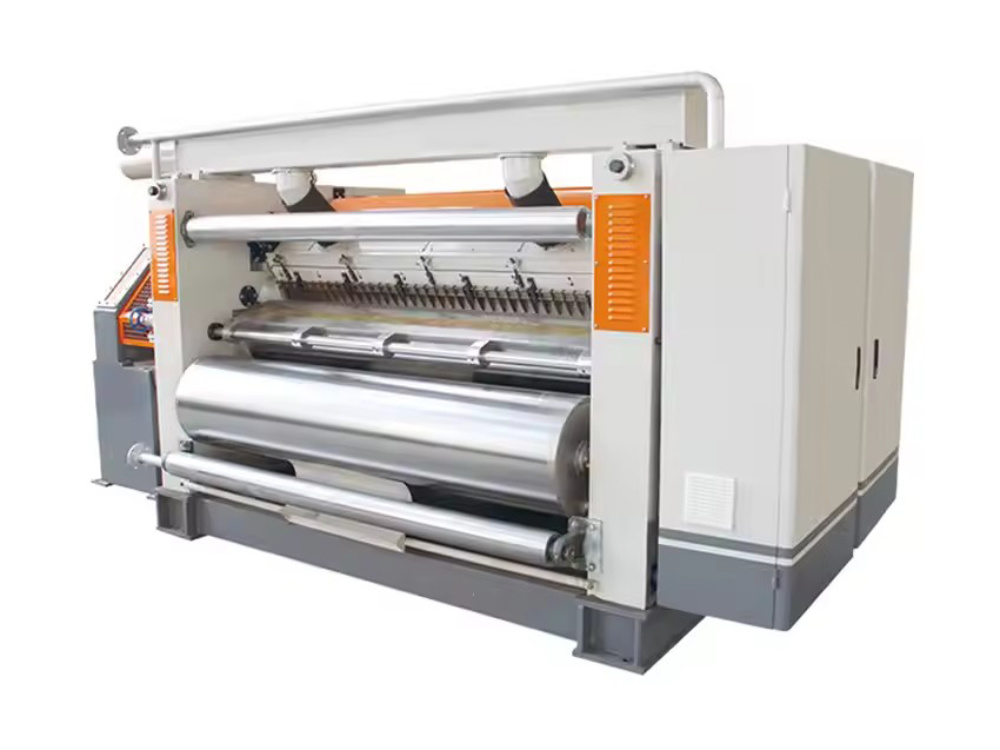
The Importance of Training for Operators of Semi-Auto Stitcher Machines
In the ever-evolving landscape of the manufacturing sector, the role of machinery has become indispensable. Among these machines, semi-auto stitcher machines stand out for their efficiency in packaging and production lines. However, the effectiveness of these machines relies heavily on the skill and knowledge of their operators. This article will explore the **importance of training for operators of semi-auto stitcher machines**, the benefits it brings, and best practices to adopt for an effective training program.
Understanding Semi-Auto Stitcher Machines
Semi-auto stitcher machines are designed to streamline the process of stitching materials together, whether it be paper, cardboard, or textiles. These machines automate specific functions while requiring human intervention for key tasks. A deep understanding of the machine's mechanics and operation is critical for operators.
How Semi-Auto Stitcher Machines Work
To operate a semi-auto stitcher machine effectively, one must understand its components and functionality. It typically involves:
1. **Feeding Mechanism**: This is responsible for the precise placement of materials.
2. **Stitching Head**: This part performs the primary function of stitching the materials together.
3. **Control Panel**: Operators use this interface to adjust settings such as stitch length and speed.
4. **Output Tray**: This collects the finished product.
By familiarizing themselves with these components, operators can perform necessary troubleshooting and adjustments, leading to a smoother production process.
Why Training is Essential for Operators
Training for semi-auto stitcher machine operators is not just a formality; it is a crucial investment in the workforce. Here are some primary reasons why operator training should be prioritized:
Enhancing Safety Standards
A well-trained operator is less likely to encounter safety hazards. Knowledge about machine operation, emergency shutdown procedures, and maintenance routines can significantly reduce workplace accidents. By prioritizing safety in training, companies can foster a culture of awareness, ensuring that operators are vigilant and prepared for any unforeseen issues.
Improving Operational Efficiency
When operators are adequately trained, they can execute tasks more efficiently, leading to increased productivity. Effective training equips them with the skills to manage the machine optimally, minimizing downtime caused by errors or malfunctions. This improvement in efficiency translates to higher output rates and better resource utilization.
Extending Equipment Lifespan
Proper operation and maintenance of semi-auto stitcher machines can significantly extend their lifespan. Training programs that emphasize routine checks, basic troubleshooting, and maintenance practices ensure that operators treat the equipment with care. This proactive approach prevents costly repairs and replacements, maximizing the return on investment for the machinery.
Boosting Employee Morale and Retention
Investing in training demonstrates to employees that their professional development is valued. This commitment can enhance job satisfaction, leading to improved morale and higher retention rates. Employees who feel competent and confident in their roles are more likely to contribute positively to the company's culture.
Components of an Effective Training Program
A comprehensive training program for semi-auto stitcher machine operators should encompass various elements to ensure its effectiveness.
Initial Training Sessions
The first step in any training program is an initial training session where operators learn about the machine's basic functions, safety protocols, and operational procedures. This session should include hands-on training to familiarize operators with the machine's components.
Ongoing Education and Refresher Courses
Manufacturing technologies evolve over time, and so should the training of operators. Offering ongoing education and refresher courses ensures that operators stay updated with the latest advancements in machine technology and best practices. This could be in the form of workshops, online courses, or in-house training sessions.
Assessment and Feedback Mechanisms
To gauge the effectiveness of the training program, it is essential to implement assessment strategies. Regular evaluations and feedback from both trainers and trainees can help identify areas for improvement, ensuring that the training remains relevant and effective.
Documentation and Resources
Providing operators with accessible documentation, such as operation manuals and troubleshooting guides, can reinforce training. These resources serve as handy references when operators encounter issues, empowering them to resolve problems efficiently.
Common Challenges in Operator Training
While the importance of training is clear, several challenges can hinder the development of effective training programs.
Time Constraints
In fast-paced manufacturing environments, finding time for training can be challenging. Companies must balance the need for productivity with the necessity of training. Implementing short, focused training sessions can help alleviate this issue, ensuring that operators receive necessary instruction without significant downtime.
Training Costs
Investing in training can be viewed as an additional expenditure. However, the long-term benefits far outweigh these initial costs. Companies should view training as an investment in their workforce, leading to reduced turnover, fewer accidents, and better productivity.
Diverse Learning Styles
Operators come with varied backgrounds and learning styles. Therefore, a one-size-fits-all approach to training is often ineffective. Tailoring training methods to accommodate different learning preferences, such as visual, auditory, and kinesthetic approaches, can enhance engagement and retention of knowledge.
Best Practices for Training Semi-Auto Stitcher Operators
To maximize the effectiveness of training programs, consider implementing the following best practices:
Incorporate Hands-On Training
Theory is essential, but hands-on training is crucial for operators to gain confidence in their abilities. Allow them to practice under the guidance of experienced trainers to build real-world skills and learn from mistakes in a controlled environment.
Utilize Technology in Training
Consider using virtual reality (VR) or augmented reality (AR) technologies to simulate machine operation scenarios. These tools can provide immersive training experiences, helping operators to visualize and understand complex processes without the risk of damaging equipment.
Encourage Collaboration and Peer Learning
Creating opportunities for peer learning can enhance the training experience. Encourage experienced operators to mentor newcomers, fostering a collaborative environment that promotes knowledge sharing.
Regularly Update Training Content
As technology evolves, so should training materials. Regularly review and update training content to reflect the latest machine features, industry standards, and safety regulations. This ensures that operators are always equipped with relevant information.
FAQs About Training for Operators of Semi-Auto Stitcher Machines
1. Why is training necessary for semi-auto stitcher operators?
Training is essential to ensure that operators can safely and effectively operate the machines, leading to increased efficiency, reduced accidents, and prolonged equipment lifespan.
2. How long does the training program typically last?
The duration of training programs can vary based on the complexity of the machine and the prior experience of the operators. Generally, initial training sessions can last from a few days to several weeks.
3. What topics should be covered in training?
Training should cover machine operation, safety protocols, maintenance procedures, troubleshooting, and the importance of adhering to industry standards.
4. How can companies assess the effectiveness of their training programs?
Companies can assess training effectiveness through evaluations, feedback, observation of operator performance, and tracking improvements in productivity and safety metrics.
5. Are there regulations governing the training of machine operators?
Yes, various occupational safety and health regulations outline the requirements for training operators to ensure workplace safety. Companies should familiarize themselves with these regulations to remain compliant.
Conclusion
The significance of training for operators of semi-auto stitcher machines cannot be overstated. An effective training program not only enhances safety and operational efficiency but also fosters a positive workplace culture. By investing in comprehensive training, companies can empower their operators, prolong the life of their machinery, and ultimately achieve higher productivity levels. As the manufacturing landscape continues to evolve, prioritizing ongoing education and skill development will be vital for staying competitive in the industry.
TAG:
PREVIOUS:

Contact Us
Phone/WhatsApp
Address
QuZhuang Village, DongGuang County, CangZhou City, HeBei Province, China
Leave Messages
We will contact you within one working day. Please pay attention to your email.

QuZhuang Village, DongGuang County, CangZhou City, HeBei Province, China


