
Understanding the Cost-Benefit Ratio of Cassette Type Single Facers in the Packaging Industry
Jan 19,2026
Author:
Understanding the Cost-Benefit Ratio of Cassette Type Single Facers
Introduction to Cassette Type Single Facers
Cassette type single facers have emerged as a pivotal innovation within the packaging machinery industry. These machines are designed for corrugated board production, specifically aimed at enhancing efficiency and quality. By understanding their cost-benefit ratio, manufacturers can make
Understanding the Cost-Benefit Ratio of Cassette Type Single Facers
Introduction to Cassette Type Single Facers
Cassette type single facers have emerged as a pivotal innovation within the packaging machinery industry. These machines are designed for corrugated board production, specifically aimed at enhancing efficiency and quality. By understanding their cost-benefit ratio, manufacturers can make informed decisions that significantly impact productivity and profitability.
What is a Cassette Type Single Facer?
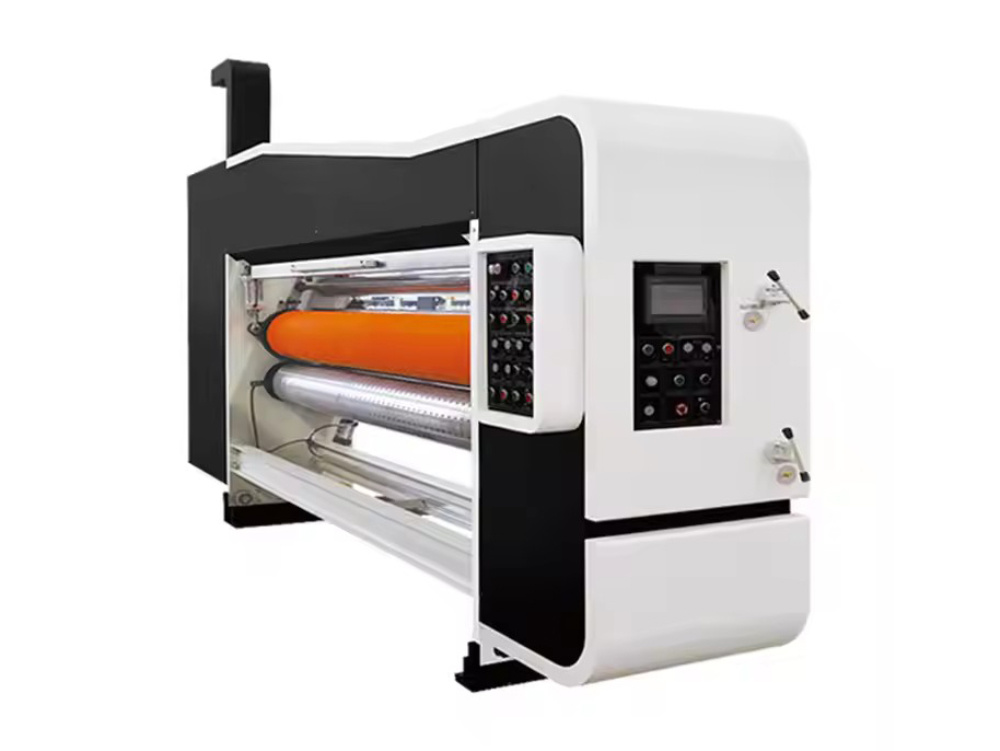
A **cassette type single facer** is a specialized machine used in the production of corrugated cardboard. It operates by transforming flat sheets of linerboard into corrugated sheets. The key feature of this type of single facer is its modular design, allowing for quick and easy replacement of components, thus minimizing downtime.
Why Choose Cassette Type Single Facers?
The **cassette design** provides several advantages, making it a preferred choice among manufacturers:
1. **Flexibility**: Easily adapt to different production requirements.
2. **Maintenance**: Simplified maintenance procedures due to modular components.
3. **Efficiency**: Increased operational speed compared to traditional single facers.
Evaluating the Cost of Cassette Type Single Facers
When assessing the cost of cassette type single facers, various factors come into play. Understanding these costs is crucial to evaluating the overall investment.
Initial Investment Costs
The initial investment for a cassette type single facer can vary significantly based on its specifications and features. Generally, purchasing a high-quality machine can require a substantial upfront cost, reflecting its advanced technology and capabilities.
Operational Costs
Beyond the initial purchase price, operational costs are equally important. These include:
- **Energy Consumption**: Assess the energy efficiency of the machine.
- **Labor Costs**: Evaluate the skill level required for operation and maintenance.
- **Material Costs**: Consider the types of materials that can be processed.
Understanding the Benefits of Cassette Type Single Facers
The benefits of investing in cassette type single facers can be significant, often justifying the initial costs associated with their purchase.
Increased Production Efficiency
One of the most significant advantages of cassette type single facers is their ability to enhance production efficiency. These machines can produce higher volumes of corrugated board in a shorter amount of time, leading to increased throughput.
Improved Consistency and Quality
With precise control over the production process, cassette type single facers ensure that the quality of the corrugated board is consistent. This reliability leads to fewer defects and waste, enhancing overall profitability.
The Cost-Benefit Ratio Explained
The cost-benefit ratio is a critical metric used to evaluate the financial viability of investing in cassette type single facers. This ratio compares the total costs associated with the machine to the total benefits derived from its operation.
Calculating the Cost-Benefit Ratio
To calculate the cost-benefit ratio, follow these steps:
1. **Total Costs**: Include initial costs, operational costs, and maintenance expenses.
2. **Total Benefits**: Assess the revenue generated from increased production, reduced labor costs, and improved quality of products.
Interpreting the Ratio
A ratio greater than one indicates that the benefits outweigh the costs, making the investment worthwhile. Conversely, a ratio less than one suggests that the costs may not justify the investment.
Factors Influencing the Cost-Benefit Ratio
Several factors can influence the cost-benefit ratio of cassette type single facers.
Market Demand for Corrugated Packaging
The demand for corrugated packaging directly impacts the profitability of manufacturing operations. A higher demand can lead to increased production runs, improving the cost-benefit ratio.
Technological Advancements
Advancements in technology can enhance the efficiency of cassette type single facers, further improving their cost-benefit ratio. Keeping up with technological trends is essential for maintaining competitiveness.
Real-World Examples of Cost-Benefit Analysis
To further illustrate the cost-benefit ratio of cassette type single facers, it is helpful to consider real-world examples.
Case Study: A Mid-Sized Packaging Company
A mid-sized packaging company invested in a cassette type single facer to meet rising demand. Initial costs amounted to $150,000. Over the first year, the company reported a 25% increase in production efficiency, leading to an additional $200,000 in revenue. The cost-benefit ratio was calculated as follows:
- **Total Costs**: $150,000
- **Total Benefits**: $200,000
- **Cost-Benefit Ratio**: 1.33, indicating a positive investment.
Case Study: A Large Packaging Manufacturer
In another example, a large packaging manufacturer replaced outdated equipment with a cassette type single facer. The initial investment was $300,000, but they achieved an impressive 40% increase in production efficiency within six months, generating an additional $500,000 in revenue. The cost-benefit ratio was:
- **Total Costs**: $300,000
- **Total Benefits**: $500,000
- **Cost-Benefit Ratio**: 1.67, demonstrating a significant return on investment.
Common Challenges and Considerations
While the benefits of cassette type single facers are clear, potential challenges must also be considered.
Upgrading Existing Equipment
Companies with existing machinery may face challenges during the transition to new cassette type single facers. Evaluating the potential productivity loss during the changeover is essential.
Staff Training Requirements
Training staff to operate new machinery can also incur costs and time constraints. However, investing in proper training ensures that the benefits of the new equipment are fully realized.
FAQs about Cassette Type Single Facers
1. What is the lifespan of a cassette type single facer?
The lifespan can vary based on usage and maintenance, but many machines can operate effectively for 10 to 15 years.
2. Are cassette type single facers suitable for small businesses?
Yes, many models are designed to accommodate small to mid-sized operations, allowing for scalability as businesses grow.
3. How does the maintenance of a cassette type single facer compare to traditional models?
Maintenance is generally easier and less time-consuming due to the modular design, reducing overall downtime.
4. Can cassette type single facers handle various materials?
Yes, they are flexible and can process multiple types of liners and mediums, making them versatile for different production needs.
5. What factors should be considered when choosing a cassette type single facer?
Consider the machine’s speed, flexibility, maintenance requirements, and the specific types of materials it can handle.
Conclusion
Investing in cassette type single facers represents a strategic decision for manufacturers in the packaging industry. By thoroughly understanding the cost-benefit ratio, businesses can leverage these machines to improve production efficiency, reduce costs, and enhance product quality. The advantages, alongside careful considerations surrounding costs and operational requirements, pave the way for a successful implementation, ensuring that manufacturers can adapt to market demands and achieve substantial returns on their investment.
TAG:
PREVIOUS:

Contact Us
Phone/WhatsApp
Address
QuZhuang Village, DongGuang County, CangZhou City, HeBei Province, China
Leave Messages
We will contact you within one working day. Please pay attention to your email.

QuZhuang Village, DongGuang County, CangZhou City, HeBei Province, China


