
The Technology Behind High-Speed Flute Laminators: A Comprehensive Guide
Feb 08,2026
Author:
The Technology Behind High-Speed Flute Laminators Explained
Table of Contents
Introduction to High-Speed Flute Laminators
Understanding the Technology Behind High-Speed Flute Laminators
Key Components of High-Speed Flute Laminators
Operating Principles of High-Speed Flute Laminators
Benefits of High-Speed Flute Laminators in Packaging
Applications of High-Speed Flute L
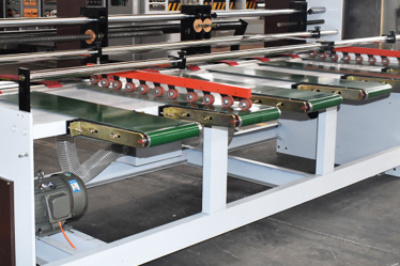
The Technology Behind High-Speed Flute Laminators Explained
Table of Contents
- Introduction to High-Speed Flute Laminators
- Understanding the Technology Behind High-Speed Flute Laminators
- Key Components of High-Speed Flute Laminators
- Operating Principles of High-Speed Flute Laminators
- Benefits of High-Speed Flute Laminators in Packaging
- Applications of High-Speed Flute Laminators in Various Industries
- The Future of Flute Laminating Technology
- Frequently Asked Questions
- Conclusion
Introduction to High-Speed Flute Laminators
High-speed flute laminators play a crucial role in the packaging industry, particularly when it comes to the production of corrugated materials. These machines are designed to efficiently bond various substrates, including paper, cardboard, and plastics, to create durable and customizable packaging solutions. As market demands evolve, the technology behind these laminators has advanced significantly, allowing manufacturers to achieve faster production speeds while maintaining high-quality output.
In this article, we will delve deep into the technology that powers high-speed flute laminators, breaking down their components, operational principles, and benefits. Understanding this technology not only helps manufacturers make informed decisions but also enhances production efficiency and product quality.
Understanding the Technology Behind High-Speed Flute Laminators
Flute laminators utilize advanced engineering principles and cutting-edge technology to seamlessly combine different materials. This process involves layers of substrate being glued together to form a single, robust product. High-speed models are particularly noteworthy for their ability to perform this task at remarkable speeds, often exceeding 300 meters per minute.
The technology behind high-speed flute laminators incorporates various innovations, including automated feeding systems, precision gluing mechanisms, and advanced control systems. These features collectively contribute to the enhanced efficiency and consistent quality of the final product.
Key Components of High-Speed Flute Laminators
To fully appreciate how high-speed flute laminators operate, it is essential to understand their key components:
1. Feeding System
The feeding system is responsible for the continuous supply of substrates into the machine. High-speed flute laminators often feature automated feeding mechanisms that reduce manual handling and minimize downtime. Sensors and conveyors are integrated to ensure a smooth flow of materials.
2. Gluing Unit
The gluing unit applies adhesive to the substrates in precise amounts. Advanced models utilize a combination of spray and roller systems to achieve uniform coverage, ensuring strong bonds without excess glue. The choice of adhesive—be it water-based, solvent-based, or hot melt—depends on the specific requirements of the packaging materials.
3. Pressing Mechanism
Once the adhesive is applied, the substrates pass through a pressing mechanism that ensures proper adhesion. High-speed flute laminators often include adjustable pressure settings to accommodate various material thicknesses and types.
4. Cutting Unit
After lamination, the cutting unit trims the finished product to the desired dimensions. This component is essential for maintaining consistency and meeting production specifications. Many modern laminators feature programmable cutting systems that enhance accuracy and speed.
5. Control System
The control system is the brain of the high-speed flute laminator. Equipped with advanced software, it monitors and adjusts the operation of the machine in real time. Operators can set parameters, track performance metrics, and troubleshoot issues, all from a centralized interface.
Operating Principles of High-Speed Flute Laminators
The operation of high-speed flute laminators is a precise and synchronized process. Here's a step-by-step breakdown of how these machines work:
Step 1: Material Loading
Substrates are loaded into the feeding system, where they are automatically aligned and prepared for processing.
Step 2: Adhesive Application
As the materials move forward, the gluing unit applies adhesive. The application method may vary based on the materials, but uniform coverage is critical for optimal bonding.
Step 3: Lamination
The substrates are brought together and passed through the pressing mechanism. Here, pressure is applied to ensure the adhesive bonds the layers effectively.
Step 4: Trimming
Once laminated, the product is cut to the specified dimensions by the cutting unit. This step is essential for producing packaging that meets precise standards.
Step 5: Quality Control
As the final products emerge, they undergo quality checks to verify adhesion strength, dimensions, and overall finish. Automated systems can flag any anomalies for immediate rectification.
Benefits of High-Speed Flute Laminators in Packaging
The adoption of high-speed flute laminators offers numerous benefits for manufacturers and businesses in the packaging sector:
1. Increased Production Efficiency
High-speed operations significantly reduce production time, allowing manufacturers to meet tight deadlines and high-volume orders without compromising quality.
2. Enhanced Product Quality
The precision of high-speed flute laminators ensures consistent bonding and finishing, resulting in high-quality packaging products that stand out in the market.
3. Versatility
These machines can handle a variety of materials and thicknesses, making them suitable for diverse applications—from food packaging to industrial shipping containers.
4. Cost-Effectiveness
By automating many aspects of the packaging process, high-speed flute laminators decrease labor costs while maximizing output. This leads to better profit margins for manufacturers.
5. Reduced Waste
With precise adhesive application and cutting, there is less material waste, contributing to more sustainable manufacturing practices.
Applications of High-Speed Flute Laminators in Various Industries
High-speed flute laminators are utilized across multiple sectors, each benefiting from their unique capabilities:
1. Food Packaging
In the food industry, high-speed flute laminators are essential for producing moisture-resistant packaging that ensures product freshness and safety.
2. E-commerce and Shipping
The rise of online shopping has increased the demand for durable packaging. High-speed flute laminators provide sturdy solutions that protect goods during transit.
3. Consumer Goods
From electronics to cosmetics, manufacturers rely on high-speed flute laminators to create appealing and functional packaging that enhances product presentation.
4. Industrial Applications
In industrial settings, high-speed flute laminators are used to produce robust containers and pallets that meet the rigorous demands of heavy-duty applications.
5. Printing and Graphics
Businesses in the printing sector leverage high-speed flute laminators to create eye-catching promotional materials and displays that capture customer attention.
The Future of Flute Laminating Technology
As technology continues to evolve, the future of high-speed flute laminators looks promising. Innovations such as smart automation, artificial intelligence, and improved materials are set to drive further advancements. Manufacturers are increasingly looking for eco-friendly solutions, leading to the development of sustainable adhesives and recyclable substrates.
Moreover, as market demands shift towards greater customization, high-speed flute laminators will likely adapt to accommodate more tailored packaging solutions, ensuring they remain a vital component of the modern packaging landscape.
Frequently Asked Questions
1. What is a high-speed flute laminator?
A high-speed flute laminator is a machine designed to bond multiple layers of materials, such as cardboard and paper, at high production speeds, typically exceeding 300 meters per minute.
2. What types of adhesives are used in flute laminators?
Common adhesives include water-based, solvent-based, and hot melt adhesives, chosen based on the specific material requirements and desired bond strength.
3. How do high-speed flute laminators improve production efficiency?
These machines automate the lamination process, reduce manual handling, and operate at high speeds, allowing manufacturers to produce more in less time.
4. Can high-speed flute laminators handle various materials?
Yes, they are versatile and can work with a wide range of materials, including different grades of paper, cardboard, and some plastics.
5. What industries benefit from high-speed flute laminators?
Industries such as food packaging, e-commerce, consumer goods, industrial applications, and printing extensively utilize high-speed flute laminators for their packaging solutions.
Conclusion
High-speed flute laminators represent a significant advancement in packaging technology, offering manufacturers the ability to produce high-quality, durable, and customizable solutions efficiently. Understanding the components and operational principles of these machines provides valuable insights into their importance across various industries. As technology continues to evolve, high-speed flute laminators will undoubtedly adapt, maintaining their crucial role in meeting the demands of modern manufacturing. By embracing these innovations, businesses can enhance their productivity and stay competitive in an ever-changing market.
TAG:

Contact Us
Phone/WhatsApp
Address
QuZhuang Village, DongGuang County, CangZhou City, HeBei Province, China
Leave Messages
We will contact you within one working day. Please pay attention to your email.

QuZhuang Village, DongGuang County, CangZhou City, HeBei Province, China


