
Future-Proofing Your Packaging Process with Semi-Auto Flute Laminators: A Comprehensive Guide
Feb 12,2026
Author:
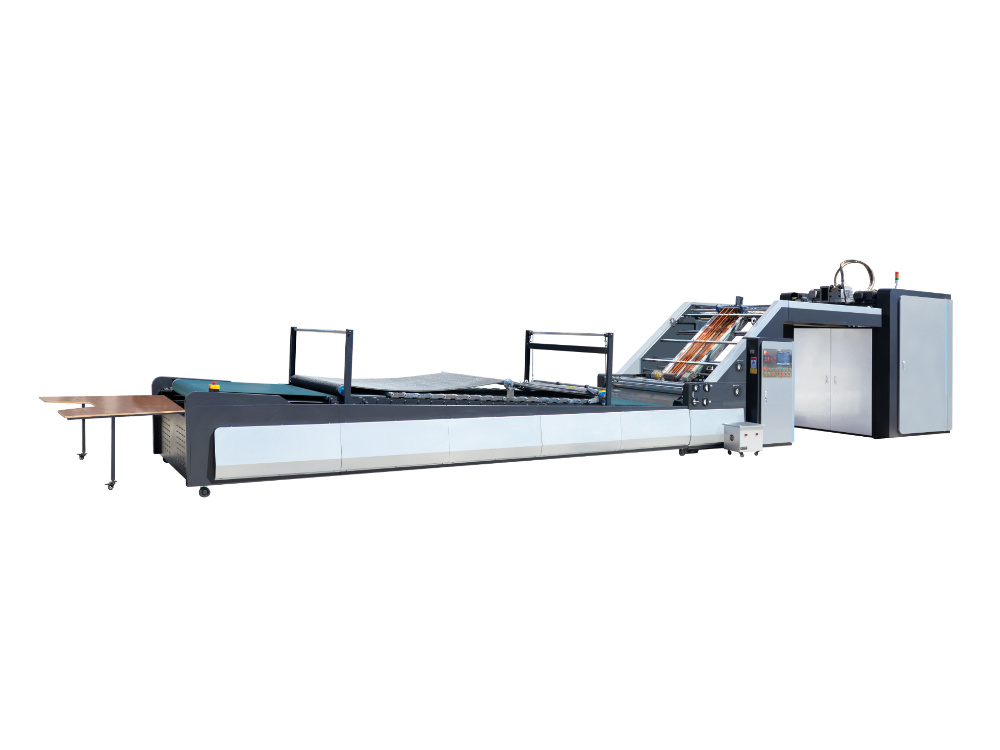
Future-Proofing Your Packaging Process with Semi-Auto Flute Laminators
Introduction to Semi-Auto Flute Laminators
In the rapidly evolving landscape of manufacturing and packaging, the need for efficient and reliable machinery is paramount. Semi-auto flute laminators represent a significant advancement in packaging technology, offering manufacturers the ability to streamline their processes while m
Future-Proofing Your Packaging Process with Semi-Auto Flute Laminators
Introduction to Semi-Auto Flute Laminators
In the rapidly evolving landscape of manufacturing and packaging, the need for efficient and reliable machinery is paramount. Semi-auto flute laminators represent a significant advancement in packaging technology, offering manufacturers the ability to streamline their processes while maintaining high-quality output. This article delves into the benefits, functionality, and future potential of semi-auto flute laminators, ensuring your packaging process remains competitive and adaptable.
Understanding the Basics of Flute Laminating
What is Flute Laminating?
Flute laminating refers to the process of applying a layer of protective material to corrugated board or other substrates to enhance durability and aesthetic appeal. This technique is commonly used in the packaging industry to create boxes, displays, and other products that require strength and visual impact.
How Do Semi-Auto Flute Laminators Work?
Semi-auto flute laminators operate through a combination of automated processes and manual input. These machines typically feature adjustable settings to accommodate various substrate sizes and laminating materials. Operators can efficiently align, apply adhesive, and press the layers together, resulting in a finished product that meets stringent quality standards.
The Advantages of Using Semi-Auto Flute Laminators
1. Increased Efficiency and Speed
One of the primary advantages of semi-auto flute laminators is their ability to significantly enhance production speed. With automated features, these machines reduce the time spent on manual tasks, allowing operators to focus on quality control and oversight. As a result, businesses can increase output without sacrificing quality.
2. Cost-Effectiveness
Investing in semi-auto flute laminators can lead to long-term cost savings. By streamlining operations and reducing labor costs, manufacturers can allocate resources more effectively. Furthermore, the precision of these machines minimizes waste, ensuring that materials are used efficiently.
3. Enhanced Quality Control
Semi-auto flute laminators offer superior consistency in product quality. The precision engineering ensures that each laminate layer adheres evenly, resulting in a uniform finish. This quality is essential for brands that prioritize aesthetics and functionality in their packaging.
4. Flexibility and Customization
With adjustable settings and capabilities, semi-auto flute laminators can handle a variety of substrates and laminating materials. This flexibility allows manufacturers to customize their packaging solutions according to specific product requirements, ensuring adaptability in a dynamic market.
5. Future-Proofing Your Packaging Process
As consumer preferences and market demands evolve, businesses must adapt their packaging processes accordingly. Semi-auto flute laminators are designed to accommodate future advancements, making them a sustainable choice for manufacturers looking to future-proof their operations.
Integrating Semi-Auto Flute Laminators into Your Production Line
1. Assessing Your Current Packaging Process
Before integrating a semi-auto flute laminator, it’s essential to evaluate your existing packaging process. Identify bottlenecks, inefficiencies, and areas for improvement. This assessment will help you determine how a new laminator can enhance your operations.
2. Selecting the Right Laminator
Choosing the right semi-auto flute laminator involves considering several factors, including production volume, substrate types, and desired output quality. Research various models and consult with manufacturers to find a machine that aligns with your specific needs.
3. Training Your Staff
Properly training your staff on the new equipment is crucial for successful integration. Ensure that operators understand the machine's functionalities, maintenance requirements, and safety protocols. Continuous training will help maintain efficiency and quality in the long run.
Maintenance and Care for Semi-Auto Flute Laminators
1. Regular Cleaning and Inspection
To ensure optimal performance, regular cleaning and inspection of the laminator are essential. This includes removing adhesive buildup, checking for wear and tear, and ensuring that all components are functioning correctly.
2. Scheduled Maintenance
Implement a maintenance schedule that outlines routine checks and servicing. This proactive approach will help prevent unexpected breakdowns and extend the lifespan of your laminator.
3. Keeping Spare Parts on Hand
Having critical spare parts available can minimize downtime during maintenance or repairs. Consult your laminator's manufacturer for a list of essential components that should be kept in stock.
The Future of Packaging: Trends to Watch
1. Sustainable Packaging Solutions
As environmental concerns grow, businesses are increasingly adopting sustainable packaging practices. Semi-auto flute laminators can work with eco-friendly materials, aligning with consumer expectations for environmentally responsible products.
2. Automation and Industry 4.0
The rise of Industry 4.0 will influence the future of packaging machinery. Semi-auto flute laminators can be integrated into smart manufacturing systems, allowing for real-time monitoring and adjustments to enhance efficiency.
3. Customization and Personalization
Consumers are leaning towards personalized products, and packaging is no exception. Semi-auto flute laminators can facilitate small-batch runs and custom designs, meeting the demands of a more individualized market.
Frequently Asked Questions (FAQs)
1. What types of materials can semi-auto flute laminators handle?
Semi-auto flute laminators can handle various materials, including corrugated board, paper, and certain plastics. The choice of material will depend on the specific laminator model and its capabilities.
2. How does a semi-auto flute laminator differ from a fully automatic one?
Semi-auto flute laminators require some manual input and adjustments, while fully automatic machines operate with minimal human intervention. The choice between the two depends on production volume and labor availability.
3. Can semi-auto flute laminators be used for small production runs?
Yes, semi-auto flute laminators are well-suited for small production runs, offering flexibility and customization options that cater to varying order sizes.
4. What maintenance is required for semi-auto flute laminators?
Regular cleaning, inspection, and servicing are essential for maintaining performance. A scheduled maintenance plan can help prevent breakdowns and extend the machine's lifespan.
5. Are there eco-friendly options for laminating materials?
Many manufacturers are now offering eco-friendly laminating materials that can be used with semi-auto flute laminators, aligning with the growing demand for sustainable packaging solutions.
Conclusion
Incorporating semi-auto flute laminators into your packaging process not only enhances efficiency and quality but also provides a strategic advantage in an ever-evolving market. By understanding the functionality, benefits, and maintenance requirements of these machines, manufacturers can future-proof their operations. With a focus on sustainability, automation, and customization, semi-auto flute laminators are poised to play a crucial role in shaping the future of packaging. Embrace this opportunity to elevate your packaging processes and meet the demands of tomorrow's consumers.
TAG:

Contact Us
Phone/WhatsApp
Address
QuZhuang Village, DongGuang County, CangZhou City, HeBei Province, China
Leave Messages
We will contact you within one working day. Please pay attention to your email.

QuZhuang Village, DongGuang County, CangZhou City, HeBei Province, China


