
Understanding the Technology Behind Semi-Auto Stitcher Machines: A Comprehensive Guide
Feb 20,2026
Author:
Understanding the Technology Behind Semi-Auto Stitcher Machines
Table of Contents
1. Introduction to Semi-Auto Stitcher Machines
2. What is a Semi-Auto Stitcher Machine?
3. Key Components of Semi-Auto Stitcher Machines
4. Working Principle of Semi-Auto Stitcher Machines
5. Benefits of Using Semi-Auto Stitcher Machines
6. Applications in Various Industries
7. Maintenanc
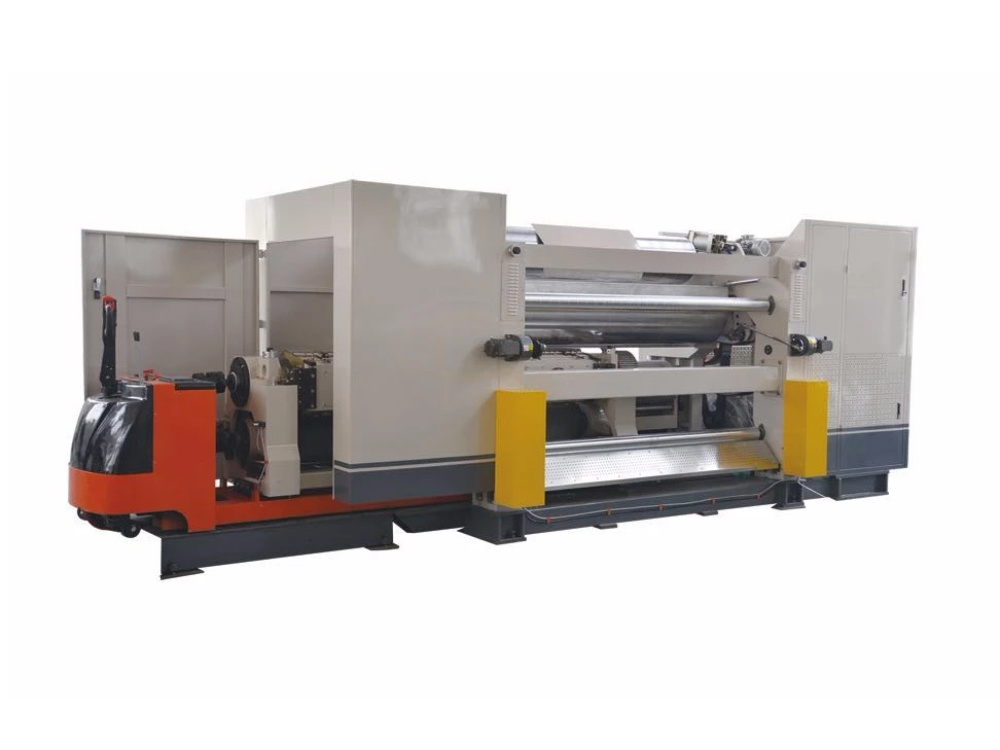
Understanding the Technology Behind Semi-Auto Stitcher Machines
Table of Contents
- 1. Introduction to Semi-Auto Stitcher Machines
- 2. What is a Semi-Auto Stitcher Machine?
- 3. Key Components of Semi-Auto Stitcher Machines
- 4. Working Principle of Semi-Auto Stitcher Machines
- 5. Benefits of Using Semi-Auto Stitcher Machines
- 6. Applications in Various Industries
- 7. Maintenance and Care for Optimal Performance
- 8. Future Trends in Semi-Auto Stitcher Technology
- 9. Frequently Asked Questions (FAQs)
- 10. Conclusion
1. Introduction to Semi-Auto Stitcher Machines
Semi-auto stitcher machines have become indispensable in the manufacturing and packaging sectors. These machines are designed to streamline the stitching process, ensuring efficiency and consistency in production. Understanding the technology behind semi-auto stitcher machines not only helps businesses improve their operations but also empowers individuals to make informed decisions about equipment purchase and maintenance.
In this guide, we will explore the intricacies of semi-auto stitcher machines, highlighting their components, functionality, and the benefits they bring to various industries.
2. What is a Semi-Auto Stitcher Machine?
A **semi-auto stitcher machine** is a specialized piece of equipment used primarily for stitching paper, cardboard, and other lightweight materials. Unlike fully automatic machines that require minimal human intervention, semi-auto stitchers still rely on an operator for certain functions, such as loading materials and making adjustments. This hybrid approach allows for greater flexibility while still improving productivity compared to manual stitching methods.
These machines are widely used for binding books, packaging boxes, and creating sealed envelopes, making them a staple in various industries including publishing, packaging, and printing.
3. Key Components of Semi-Auto Stitcher Machines
Understanding the key components of a semi-auto stitcher machine is crucial for appreciating its functionality. Here are the critical parts that work together to ensure optimal performance:
3.1 Stitching Head
The **stitching head** is the core component that executes the actual stitching. It comprises a needle and a bobbin, which work together to create secure stitches. Advanced models offer adjustable stitching options, allowing operators to choose stitch lengths and types.
3.2 Feeding System
The **feeding system** is responsible for moving the material through the machine. This can be either manual or mechanical, depending on the machine design. A reliable feeding system ensures consistent alignment and spacing, which is crucial for high-quality stitching.
3.3 Control Panel
The **control panel** allows operators to set parameters, monitor the stitching process, and make adjustments. Modern semi-auto stitchers often feature digital displays that enhance usability and precision.
3.4 Exit Conveyor
The **exit conveyor** transports the finished product away from the stitching area, facilitating a smooth workflow. This component is essential for maintaining productivity in a busy manufacturing environment.
4. Working Principle of Semi-Auto Stitcher Machines
The working principle of semi-auto stitcher machines revolves around a straightforward yet effective process. Here’s how it works:
1. **Material Loading**: The operator manually loads stacks of paper or cardboard into the feeding system.
2. **Feeding Mechanism**: The feeding system engages, moving the material towards the stitching head.
3. **Stitching Process**: Once positioned, the stitching head activates, inserting the needle through the material and creating the stitch. This process repeats for each stack, resulting in consistent stitching.
4. **Output Handling**: After stitching, the finished products are transported via the exit conveyor for further processing or packaging.
This semi-automated approach maximizes efficiency while retaining the flexibility that many production environments require.
5. Benefits of Using Semi-Auto Stitcher Machines
Incorporating semi-auto stitcher machines into manufacturing processes offers several advantages:
5.1 Increased Productivity
By automating portions of the stitching process, operators can handle larger volumes in less time, significantly boosting overall productivity.
5.2 Cost Efficiency
While the initial investment may be substantial, the reduction in labor costs and increased efficiency lead to long-term savings.
5.3 Flexibility
Semi-auto stitchers allow operators to switch between different stitching styles and materials with relative ease, making them versatile for diverse production needs.
5.4 High Quality and Consistency
The precision of machine stitching consistently delivers high-quality results, reducing errors and improving product quality.
5.5 Ergonomics and Safety
Modern machines are designed with ergonomics in mind, often featuring adjustable heights and user-friendly controls, which enhance operator safety and comfort.
6. Applications in Various Industries
Semi-auto stitcher machines find applications across a variety of sectors, showcasing their versatility and functionality:
6.1 Publishing Industry
In the publishing industry, semi-auto stitcher machines play a vital role in binding books and magazines, ensuring that high volumes can be produced quickly and efficiently.
6.2 Packaging Industry
The packaging industry utilizes these machines for creating boxes and cartons, helping to secure products for shipping and storage.
6.3 Printing Industry
In the printing sector, semi-auto stitchers are essential for handling promotional materials, brochures, and other printed products that require binding.
6.4 Office Supplies
Semi-auto stitchers are also used in producing office supplies like notepads and notebooks, where consistent stitching is crucial for product integrity.
7. Maintenance and Care for Optimal Performance
Proper maintenance is vital to ensure the longevity and optimal performance of semi-auto stitcher machines. Here are some essential tips:
7.1 Regular Cleaning
Keep the machine clean by regularly removing debris and dust. This prevents jams and ensures smooth operation.
7.2 Lubrication
Regularly lubricate moving parts to reduce friction and wear, enhancing the machine's longevity.
7.3 Inspections
Conduct routine inspections to check for wear and tear. Early detection of issues can prevent costly repairs down the line.
7.4 Operator Training
Ensure that all operators are adequately trained on the machine's functions and maintenance, promoting safety and efficiency.
8. Future Trends in Semi-Auto Stitcher Technology
The landscape of stitching technology is evolving rapidly, influenced by advancements in automation and smart technology. Here’s what to expect in the coming years:
8.1 Integration of AI
Artificial intelligence is expected to play a significant role in enhancing machine efficiency, predictive maintenance, and error detection.
8.2 Smart Manufacturing
The adoption of IoT (Internet of Things) will allow semi-auto stitchers to communicate with other machines, optimizing the entire production line.
8.3 Sustainability
Future models may focus more on sustainability, utilizing eco-friendly materials and processes to reduce environmental impact.
9. Frequently Asked Questions (FAQs)
9.1 What materials can be stitched using semi-auto stitcher machines?
Semi-auto stitcher machines are designed to stitch paper, cardboard, and other lightweight materials, making them versatile for various applications.
9.2 How does a semi-auto stitcher compare to a fully automatic machine?
Semi-auto stitchers require some manual intervention, allowing for flexibility, while fully automatic machines offer higher throughput with minimal human involvement.
9.3 What is the average lifespan of a semi-auto stitcher machine?
With proper maintenance, a semi-auto stitcher machine can last anywhere from 10 to 20 years, depending on usage and care.
9.4 Can semi-auto stitcher machines handle large production volumes?
Yes, semi-auto stitchers are designed to handle significant production volumes while ensuring consistent quality.
9.5 Are there any special training requirements for operating these machines?
Operators should receive training on machine functions and safety protocols to ensure efficient and safe operation.
10. Conclusion
Semi-auto stitcher machines are a cornerstone of efficiency in the manufacturing and packaging industries. By understanding the technology, key components, and operational benefits of these machines, businesses can make informed decisions that enhance productivity and quality. As trends in technology evolve, so too will the capabilities of semi-auto stitchers, making them an essential investment for any company looking to streamline its operations. Embracing this technology not only improves daily operations but also sets the stage for future advancements in the industry.
TAG:
PREVIOUS:

Contact Us
Phone/WhatsApp
Address
QuZhuang Village, DongGuang County, CangZhou City, HeBei Province, China
Leave Messages
We will contact you within one working day. Please pay attention to your email.

QuZhuang Village, DongGuang County, CangZhou City, HeBei Province, China


