
Understanding the Role of Flute Lamination Machines in Packaging Manufacturing
Feb 26,2026
Author:
Flute lamination machines are indispensable in the manufacturing of packaging materials, particularly for applications that require enhanced sturdiness and aesthetic appeal. These machines primarily apply a laminated layer to flute boards, which are widely used in corrugated packaging. The lamination process not only improves the structural integrity of the packaging but also provides a barrier ag
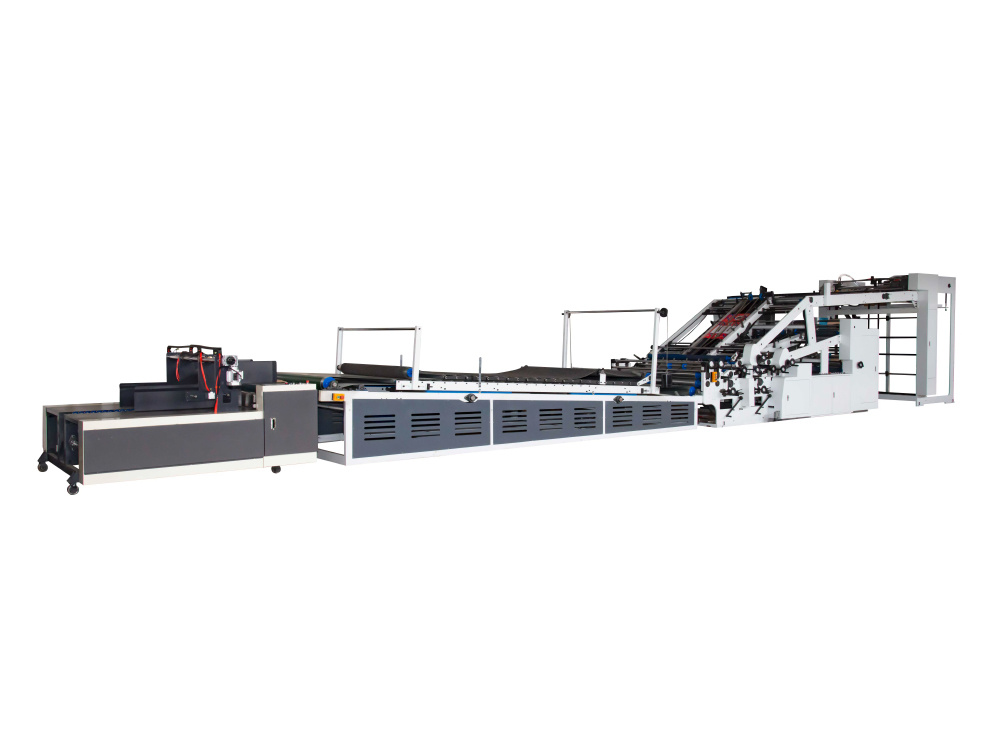
Flute lamination machines are indispensable in the manufacturing of packaging materials, particularly for applications that require enhanced sturdiness and aesthetic appeal. These machines primarily apply a laminated layer to flute boards, which are widely used in corrugated packaging. The lamination process not only improves the structural integrity of the packaging but also provides a barrier against moisture, dust, and other environmental factors, ensuring the safety and longevity of the packaged product.
One of the critical aspects of flute lamination machines is their versatility. They can be utilized for various types of materials, including paper, cardboard, and plastic films, allowing manufacturers to customize packaging solutions based on their specific needs. This flexibility makes them a valuable asset in a wide range of industries, from food and beverage to electronics and consumer goods.
The operation of a flute lamination machine involves several stages, including feeding, laminating, and cutting. Initially, the base material is fed into the machine, where a lamination film is applied through a series of rollers, ensuring a smooth and even application. Once the lamination process is complete, the material is cut to the desired size and shape, ready for further processing or packaging. This efficiency not only streamlines production but also reduces material waste, making it an economical choice for manufacturers.
Moreover, the advancements in technology have significantly improved the performance and reliability of flute lamination machines. Modern machines are equipped with automated controls, allowing for precise adjustments to speed, temperature, and pressure, which are crucial for achieving the desired lamination quality. Some machines even incorporate digital monitoring systems that provide real-time data on operational efficiency, enabling manufacturers to optimize their production processes.
In addition to enhancing the physical properties of packaging materials, flute lamination machines also play a vital role in branding. The ability to create visually appealing packages with high-quality finishes can significantly impact consumer perception and purchasing decisions. Laminated surfaces can incorporate various printing techniques, allowing businesses to showcase their branding effectively.
When considering the purchase or upgrade of a flute lamination machine, it is essential to evaluate factors such as production capacity, ease of operation, and maintenance requirements. Investing in a reliable and efficient machine can lead to significant long-term benefits, including improved product quality, reduced operational costs, and increased market competitiveness.
In conclusion, flute lamination machines are a crucial component in the packaging manufacturing sector, offering numerous advantages in terms of durability, aesthetics, and operational efficiency. By understanding their functionalities and benefits, manufacturers can make informed decisions that enhance their packaging solutions and overall business performance.
One of the critical aspects of flute lamination machines is their versatility. They can be utilized for various types of materials, including paper, cardboard, and plastic films, allowing manufacturers to customize packaging solutions based on their specific needs. This flexibility makes them a valuable asset in a wide range of industries, from food and beverage to electronics and consumer goods.
The operation of a flute lamination machine involves several stages, including feeding, laminating, and cutting. Initially, the base material is fed into the machine, where a lamination film is applied through a series of rollers, ensuring a smooth and even application. Once the lamination process is complete, the material is cut to the desired size and shape, ready for further processing or packaging. This efficiency not only streamlines production but also reduces material waste, making it an economical choice for manufacturers.
Moreover, the advancements in technology have significantly improved the performance and reliability of flute lamination machines. Modern machines are equipped with automated controls, allowing for precise adjustments to speed, temperature, and pressure, which are crucial for achieving the desired lamination quality. Some machines even incorporate digital monitoring systems that provide real-time data on operational efficiency, enabling manufacturers to optimize their production processes.
In addition to enhancing the physical properties of packaging materials, flute lamination machines also play a vital role in branding. The ability to create visually appealing packages with high-quality finishes can significantly impact consumer perception and purchasing decisions. Laminated surfaces can incorporate various printing techniques, allowing businesses to showcase their branding effectively.
When considering the purchase or upgrade of a flute lamination machine, it is essential to evaluate factors such as production capacity, ease of operation, and maintenance requirements. Investing in a reliable and efficient machine can lead to significant long-term benefits, including improved product quality, reduced operational costs, and increased market competitiveness.
In conclusion, flute lamination machines are a crucial component in the packaging manufacturing sector, offering numerous advantages in terms of durability, aesthetics, and operational efficiency. By understanding their functionalities and benefits, manufacturers can make informed decisions that enhance their packaging solutions and overall business performance.
TAG:

Contact Us
Phone/WhatsApp
Address
QuZhuang Village, DongGuang County, CangZhou City, HeBei Province, China
Leave Messages
We will contact you within one working day. Please pay attention to your email.

QuZhuang Village, DongGuang County, CangZhou City, HeBei Province, China


