
Flexo Printer Slotters vs. Traditional Slotters: Which is Better for You?
Mar 12,2026
Flexo Printer Slotters vs. Traditional Slotters: Which is Better for You?
Table of Contents
Introduction to Slotters
Understanding Flexo Printer Slotters
Key Features of Flexo Printer Slotters
Advantages of Flexo Printer Slotters
Exploring Traditional Slotters
Key Features of Traditional Slotters
Advantages of
Flexo Printer Slotters vs. Traditional Slotters: Which is Better for You?
Table of Contents
- Introduction to Slotters
- Understanding Flexo Printer Slotters
- Exploring Traditional Slotters
- Comparison of Flexo Printer Slotters and Traditional Slotters
- Which Slotter Is Right for You?
- Frequently Asked Questions
- Conclusion
Introduction to Slotters
In the world of manufacturing, especially in the printing and packaging industries, the choice of equipment can significantly impact productivity and cost-efficiency. Among the various types of machines available, slotters play a critical role in converting materials into finished products. While traditional slotters have long been a staple in the industry, the emergence of Flexo printer slotters has introduced a new contender that warrants consideration. In this article, we will delve into the characteristics of both types of slotters, compare their features, and help you determine which option is best suited for your specific needs.
Understanding Flexo Printer Slotters
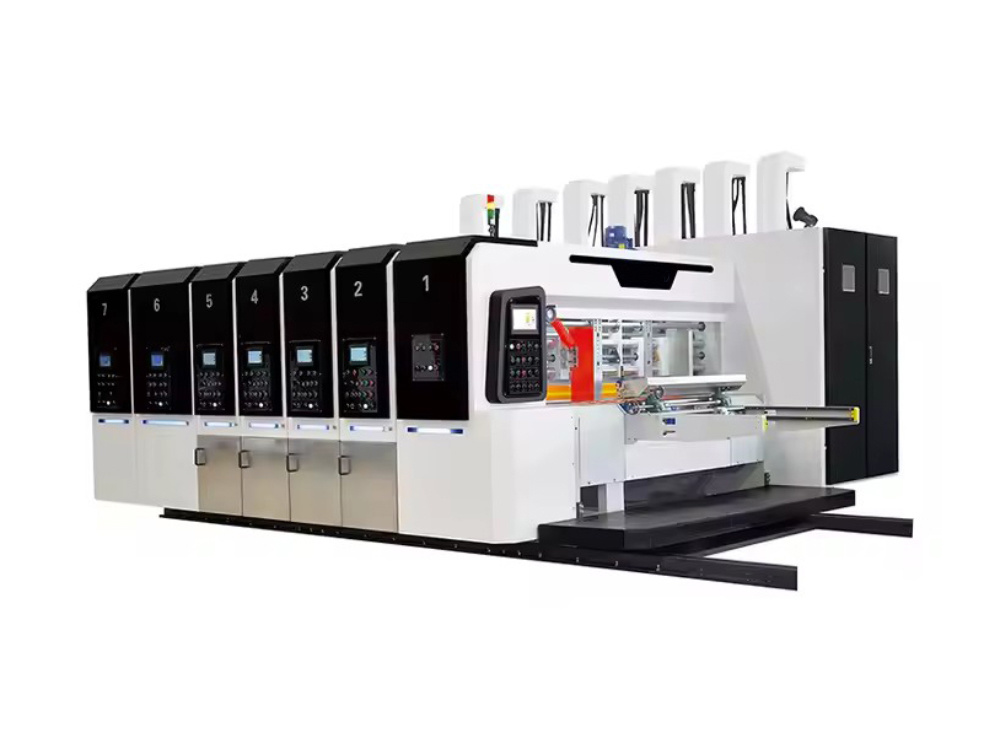
Flexo printer slotters are advanced machines that integrate flexographic printing with slotting capabilities. This technology allows manufacturers to print high-quality images and text on materials while simultaneously creating slots for folding and assembling packaging products.
Key Features of Flexo Printer Slotters
1. **High-Speed Operation**: Flexo printer slotters are designed for high-speed production, making them ideal for large runs of printed materials.
2. **Versatility**: They can handle various substrates, including corrugated cardboard, paperboard, and plastic films.
3. **Integrated Printing**: The ability to print directly on the substrate eliminates the need for separate printing processes, reducing lead times.
4. **Precision Slotting**: Flexo printer slotters offer precise slotting capabilities, ensuring consistent quality in the final product.
5. **User-Friendly Interfaces**: Many models come equipped with intuitive digital controls that simplify operation and reduce training requirements.
Advantages of Flexo Printer Slotters
- **Cost Efficiency**: By combining printing and slotting processes, businesses can save on labor and material costs.
- **Quality Output**: Flexo printing technology produces vibrant colors and sharp images that enhance the visual appeal of packaging.
- **Reduced Waste**: The streamlined process minimizes waste, contributing to more sustainable manufacturing practices.
- **Quick Changeovers**: Flexo printer slotters allow for rapid changeovers between jobs, improving overall production flexibility.
Exploring Traditional Slotters
Traditional slotters have been the industry standard for many years and continue to be widely used. These machines are primarily focused on cutting and slitting materials to create slots for folding and assembling packaging products.
Key Features of Traditional Slotters
1. **Robust Construction**: Traditional slotters are known for their durability and long lifespan, often featuring heavy-duty components.
2. **Dedicated Slotting**: They are specifically designed for slotting, ensuring that this process is executed with precision.
3. **Variety of Configurations**: Traditional slotters are available in various configurations, catering to different production needs.
4. **Less Complexity**: With a focus solely on slotting, these machines typically have simpler mechanisms compared to their flexo counterparts.
Advantages of Traditional Slotters
- **Proven Technology**: Traditional slotters have a long history of reliability in the industry.
- **Lower Initial Investment**: Generally, traditional slotters have a lower upfront cost compared to flexo printer slotters.
- **Simplicity of Operation**: The straightforward design makes operation and maintenance easier for staff with varying levels of experience.
- **Specialized Performance**: They excel in slotting applications, making them a dependable choice for businesses focused solely on this process.
Comparison of Flexo Printer Slotters and Traditional Slotters
When deciding between Flexo printer slotters and traditional slotters, it's essential to evaluate key factors such as production speed, output quality, versatility, and overall cost.
Production Speed
Flexo printer slotters generally offer higher production speeds than traditional slotters due to their integrated printing capabilities. This advantage can lead to significant time savings for businesses with large order volumes.
Output Quality
In terms of print quality, flexo printer slotters hold a distinct advantage. The ability to print with vibrant colors and sharp details enhances the attractiveness of packaging materials, which can be crucial in competitive markets.
Versatility
Flexo printer slotters are more versatile, capable of handling a wider range of materials and processes. Traditional slotters, while reliable for slotting, lack the printing capabilities that allow for creative packaging solutions.
Cost Analysis
While the initial cost of flexo printer slotters is typically higher, the combined processes of printing and slotting can lead to long-term savings. Traditional slotters, with their lower upfront costs, may be appealing to businesses with tighter budgets or those focused solely on slotting.
Which Slotter Is Right for You?
Choosing between Flexo printer slotters and traditional slotters ultimately depends on your specific needs:
- **Choose a Flexo Printer Slotter if**: Your production requires high-quality printing along with slotting, you need to handle large volumes quickly, and you're looking for a versatile machine that can adapt to various substrates and designs.
- **Choose a Traditional Slotter if**: Your primary focus is slotting, you prefer a more straightforward, cost-effective solution, and you have a stable volume of production that doesn't require frequent changes or printing enhancements.
Frequently Asked Questions
1. What is the primary difference between Flexo printer slotters and traditional slotters?
The main difference lies in their capabilities; Flexo printer slotters integrate printing with slotting, while traditional slotters focus solely on cutting and slitting.
2. Are Flexo printer slotters more expensive than traditional slotters?
Yes, Flexo printer slotters typically have a higher initial cost due to their advanced technology, but they can provide long-term savings through efficiency.
3. What types of materials can Flexo printer slotters handle?
Flexo printer slotters can handle various substrates, including corrugated cardboard, paperboard, and plastic films, making them highly versatile.
4. How do I maintain a Flexo printer slotter?
Regular maintenance involves cleaning the printing plates, checking for wear on rollers, and ensuring that the machine is calibrated correctly for optimal performance.
5. Can traditional slotters still be effective in modern manufacturing?
Yes, traditional slotters remain effective for businesses that focus primarily on slotting applications and do not require integrated printing capabilities.
Conclusion
In conclusion, both Flexo printer slotters and traditional slotters have their unique strengths and applications. Flexo printer slotters offer advanced technology for companies looking to enhance their printing capabilities alongside slotting, while traditional slotters provide a reliable and cost-effective solution for straightforward slotting needs. By carefully assessing your production requirements and long-term goals, you can make an informed decision that positions your business for success in today's competitive landscape.
TAG:
PREVIOUS:

Contact Us
Phone/WhatsApp
Address
QuZhuang Village, DongGuang County, CangZhou City, HeBei Province, China
Leave Messages
We will contact you within one working day. Please pay attention to your email.

QuZhuang Village, DongGuang County, CangZhou City, HeBei Province, China


