
Maximize Efficiency and Precision: The Top Benefits of Incorporating a Thin Blade Slitter Scorer into Your Workflow
Mar 18,2026
Author:
Maximize Efficiency and Precision: The Top Benefits of Incorporating a Thin Blade Slitter Scorer into Your Workflow
Table of Contents
Introduction to Thin Blade Slitter Scorers
What is a Thin Blade Slitter Scorer?
Key Benefits of Thin Blade Slitter Scorers
1. Enhanced Precision in Cutting
2. Reduced Material Waste
3. Increased Speed and Eff
Maximize Efficiency and Precision: The Top Benefits of Incorporating a Thin Blade Slitter Scorer into Your Workflow
Table of Contents
- Introduction to Thin Blade Slitter Scorers
- What is a Thin Blade Slitter Scorer?
- Key Benefits of Thin Blade Slitter Scorers
- 1. Enhanced Precision in Cutting
- 2. Reduced Material Waste
- 3. Increased Speed and Efficiency
- 4. Versatility in Handling Various Materials
- 5. Cost-Effectiveness Over Time
- How to Integrate a Thin Blade Slitter Scorer into Your Workflow
- Maintenance and Care for Optimal Performance
- Real-World Applications of Thin Blade Slitter Scorers
- Future Trends in Packaging Technology
- Conclusion
- FAQs
Introduction to Thin Blade Slitter Scorers
In the fast-paced world of manufacturing and packaging, every second counts. Companies are constantly seeking innovative solutions to streamline their workflows while maintaining high quality. One such solution that has gained significant traction in recent years is the thin blade slitter scorer. This specialized machinery is designed to enhance cutting precision, minimize waste, and improve overall efficiency. In this article, we will explore the various benefits of incorporating a thin blade slitter scorer into your workflow, providing compelling reasons for its integration into modern manufacturing processes.
What is a Thin Blade Slitter Scorer?
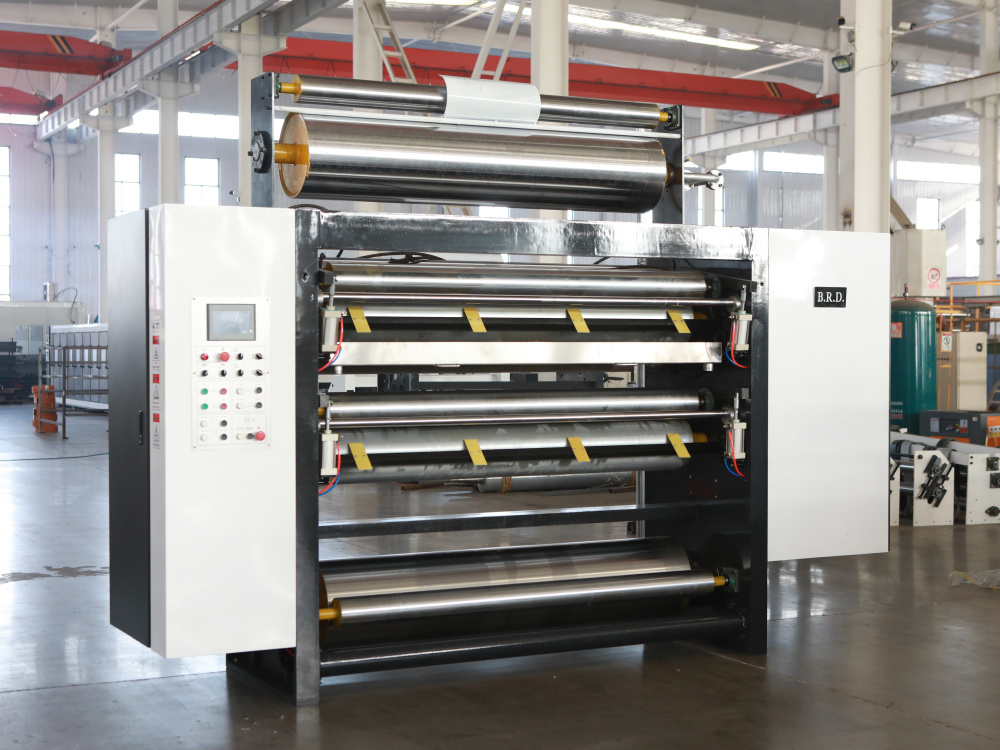
A thin blade slitter scorer is a precision cutting tool utilized in various manufacturing industries, particularly in packaging and converting. It features a sharp, thin blade that scores or slits materials with incredible accuracy. This equipment is typically used for cutting paper, cardboard, plastic, and other flexible materials. The design allows for clean cuts and minimizes the risk of material deformation, ensuring that the finished product meets stringent quality standards.
Key Benefits of Thin Blade Slitter Scorers
1. Enhanced Precision in Cutting
Precision is paramount in manufacturing. Thin blade slitter scorers offer exceptional accuracy, enabling manufacturers to achieve precise cuts that align perfectly with design specifications. The thin blade design reduces the margin of error, allowing for intricate designs and patterns without compromising quality. This precision not only enhances the appearance of the final product but also ensures that it fits seamlessly into the intended application.
2. Reduced Material Waste
One of the significant advantages of using a thin blade slitter scorer is the reduction of material waste. Traditional cutting methods often result in excess waste due to improper cuts or material deformation. In contrast, the thin blade technology minimizes waste by producing cleaner cuts, thus maximizing the use of raw materials. This not only benefits the environment by reducing waste but also improves the overall cost-effectiveness of the manufacturing process.
3. Increased Speed and Efficiency
In today’s competitive market, speed and efficiency are crucial. Thin blade slitter scorers operate at high speeds without sacrificing quality. The rapid cutting process allows manufacturers to increase production rates while maintaining the integrity of the materials being processed. As a result, companies can fulfill orders more quickly, improving customer satisfaction and boosting profitability.
4. Versatility in Handling Various Materials
Thin blade slitter scorers are versatile machines capable of handling a wide range of materials. Whether it's paper, cardboard, plastics, or composite materials, these machines can adapt to different substrates with ease. This flexibility makes them invaluable in various industries, from packaging to printing, where diverse materials are continuously processed.
5. Cost-Effectiveness Over Time
Investing in a thin blade slitter scorer can lead to significant long-term cost savings. By reducing material waste, increasing production efficiency, and minimizing downtime, these machines contribute to a more cost-effective workflow. Additionally, the durable design of thin blade slitter scorers means they require less frequent replacement and maintenance, further enhancing their overall value in the manufacturing process.
How to Integrate a Thin Blade Slitter Scorer into Your Workflow
Integrating a thin blade slitter scorer into your existing workflow requires careful planning and consideration. Here are some steps to ensure a smooth transition:
- **Assessment of Current Workflow:** Begin by evaluating your current cutting processes. Identify inefficiencies, high waste rates, and areas where precision is crucial.
- **Select the Right Model:** Choose a thin blade slitter scorer that meets your specific needs. Consider factors such as the types of materials you process, required cutting speed, and budget constraints.
- **Training Staff:** Ensure that your staff is adequately trained to operate the new machinery. Proper training helps maximize the benefits of the equipment and minimizes the risk of errors.
- **Pilot Testing:** Conduct a pilot test to evaluate the machine's performance within your workflow. Monitor the results and make necessary adjustments before full-scale implementation.
- **Continuous Monitoring and Improvement:** After integration, continuously monitor the performance of your thin blade slitter scorer. Gather feedback from operators and make improvements as needed to optimize efficiency.
Maintenance and Care for Optimal Performance
To keep your thin blade slitter scorer operating at peak performance, regular maintenance is essential. Here are some tips for maintaining your machine:
- **Regular Cleaning:** Dust and debris can accumulate on cutting blades and other machine parts. Regular cleaning helps maintain precision and extends the lifespan of the equipment.
- **Blade Inspection:** Routinely check the blades for wear and tear. Dull blades can lead to inaccurate cuts and increased material waste. Replace blades as necessary to maintain optimal performance.
- **Lubrication:** Ensure that moving parts are properly lubricated to prevent friction and wear. Follow the manufacturer's recommendations for lubrication intervals and types.
- **Calibration:** Periodically calibrate your thin blade slitter scorer to ensure it continues to produce accurate cuts. Calibration checks should be performed based on usage frequency and material types.
Real-World Applications of Thin Blade Slitter Scorers
Thin blade slitter scorers find applications across various industries, demonstrating their versatility and effectiveness. Some common applications include:
- **Packaging Industry:** Used for creating precise cuts in cardboard, plastic films, and flexible packaging materials, ensuring accurate sizes for boxes and wrappers.
- **Printing Industry:** Employed in the production of printed materials, allowing for clean cutting of paper and substrates for brochures, flyers, and books.
- **Label Manufacturing:** Ideal for cutting labels with intricate designs, ensuring high-quality finishes that enhance brand image.
- **Automotive Industry:** Utilized in cutting composite materials used in automotive components, ensuring precise dimensions for assembly.
Future Trends in Packaging Technology
As technology continues to evolve, the packaging industry is witnessing significant changes. Future trends that may influence the use of thin blade slitter scorers include:
- **Sustainability:** Increasing demand for eco-friendly packaging solutions will drive the need for efficient cutting technologies that reduce waste and improve recyclability.
- **Automation:** The integration of automation in manufacturing processes will enhance the efficiency of thin blade slitter scorers, allowing for faster production and reduced labor costs.
- **Smart Technology:** The advent of smart technology, including IoT and machine learning, may lead to intelligent slitter scorer systems that can predict maintenance needs and optimize cutting processes.
Conclusion
Incorporating a thin blade slitter scorer into your manufacturing workflow offers numerous benefits that can enhance efficiency, precision, and cost-effectiveness. From reduced material waste to increased speed and versatility, these machines provide a comprehensive solution for modern manufacturing challenges. By investing in this technology, companies can stay ahead in a competitive market, ensuring high-quality outputs and satisfied customers.
FAQs
1. What materials can be processed with a thin blade slitter scorer?
Thin blade slitter scorers can handle a variety of materials, including paper, cardboard, plastic films, and composite materials.
2. How often should I perform maintenance on my slitter scorer?
Regular maintenance is crucial. Cleaning, blade inspection, and lubrication should be performed frequently, while calibration can be done based on usage and material types.
3. Can thin blade slitter scorers be automated?
Yes, many modern thin blade slitter scorers can be integrated with automation systems to enhance efficiency and reduce labor costs.
4. What are the key factors to consider when selecting a thin blade slitter scorer?
Consider factors such as the types of materials you will process, production speed requirements, budget, and the specific features of the machine.
5. How do thin blade slitter scorers compare to traditional cutting methods?
Thin blade slitter scorers provide superior precision, reduced material waste, and increased speed compared to traditional cutting methods, making them a more efficient choice for modern manufacturing.
TAG:

Contact Us
Phone/WhatsApp
Address
QuZhuang Village, DongGuang County, CangZhou City, HeBei Province, China
Leave Messages
We will contact you within one working day. Please pay attention to your email.

QuZhuang Village, DongGuang County, CangZhou City, HeBei Province, China


