
How to Troubleshoot High Speed Flute Laminator Machine Performance Issues: A Comprehensive Guide
Mar 26,2026
How to Troubleshoot High Speed Flute Laminator Machine Performance Issues
Table of Contents
1. Introduction to High Speed Flute Laminator Machines
2. Common Performance Issues Faced by Laminator Machines
2.1. Inconsistent Laminating Quality
2.2. Excessive Downtime and Maintenance
2.3. Poor Adhesion of Laminating Material
3. Step-by-Step Troubleshooting Guide
3.1. Assessing Machine Setup and Config
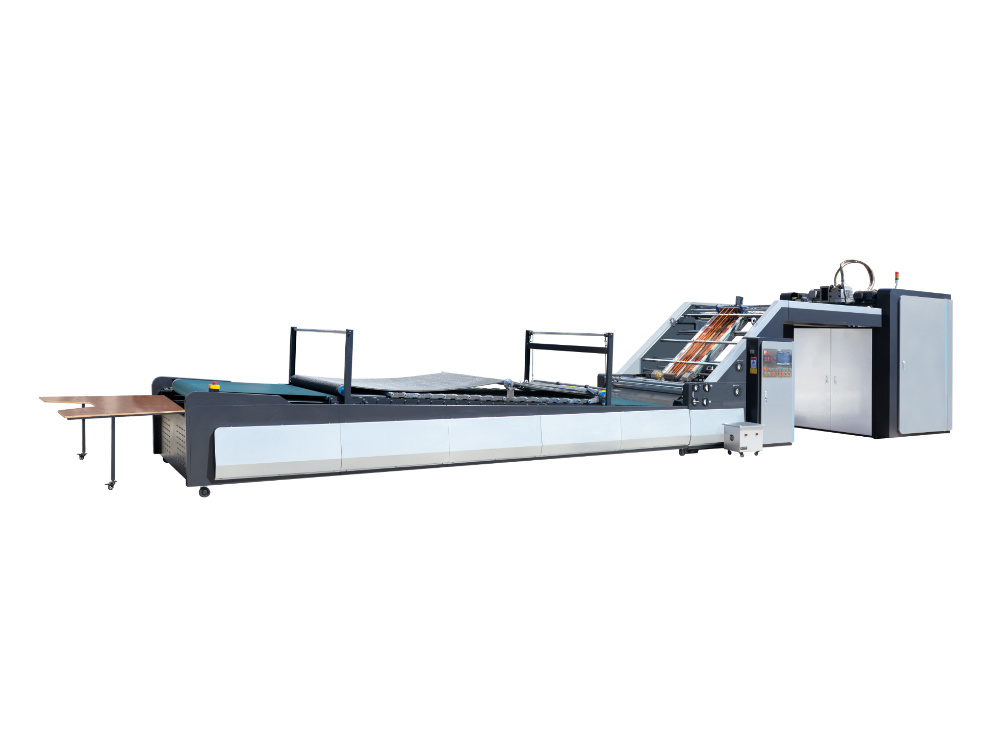
How to Troubleshoot High Speed Flute Laminator Machine Performance Issues
Table of Contents
1. Introduction to High Speed Flute Laminator Machines
2. Common Performance Issues Faced by Laminator Machines
2.1. Inconsistent Laminating Quality
2.2. Excessive Downtime and Maintenance
2.3. Poor Adhesion of Laminating Material
3. Step-by-Step Troubleshooting Guide
3.1. Assessing Machine Setup and Configuration
3.2. Checking Material Quality and Specifications
3.3. Examining the Laminating Process Parameters
3.4. Evaluating Machine Components
4. Maintenance Tips for High Speed Laminators
4.1. Routine Maintenance Practices
4.2. Cleaning and Lubrication
4.3. Regular Calibration of Components
5. When to Seek Professional Help
6. FAQs about High Speed Flute Laminator Machines
7. Conclusion: Optimizing Your Laminator Performance
1. Introduction to High Speed Flute Laminator Machines
High speed flute laminator machines are essential in the packaging industry, specifically designed to laminate various substrates efficiently. These machines allow manufacturers to enhance the durability and visual appeal of products while minimizing waste. Understanding the intricacies of these machines is vital for ensuring optimal performance and longevity.
2. Common Performance Issues Faced by Laminator Machines
Despite their advanced technology, high speed flute laminator machines can encounter several performance issues. Recognizing these problems early can save time and resources.
2.1. Inconsistent Laminating Quality
One of the primary concerns for operators is achieving consistent laminating quality. Issues such as bubbles, wrinkles, or uneven application can arise and affect the finished product's aesthetics and functionality.
2.2. Excessive Downtime and Maintenance
Frequent stoppages for maintenance can significantly impact production schedules. Identifying the root causes of downtime helps in implementing preventative measures.
2.3. Poor Adhesion of Laminating Material
Adhesion problems can lead to peeling or delamination, rendering the product unusable. Understanding the factors that contribute to poor adhesion is crucial for maintaining quality.
3. Step-by-Step Troubleshooting Guide
When performance issues arise, a systematic approach to troubleshooting is essential. This section outlines the steps to identify and rectify problems effectively.
3.1. Assessing Machine Setup and Configuration
Begin by checking that the machine is set up correctly. Verifying parameters such as temperature, pressure, and speed settings ensures the laminator operates at optimal efficiency. Inaccurate settings can lead to a myriad of issues.
3.2. Checking Material Quality and Specifications
The quality of the materials used in the laminating process significantly influences the end product. Ensure that the substrates meet the required specifications, such as thickness and type of adhesive used. Using inappropriate materials can lead to adhesion failures and inconsistent quality.
3.3. Examining the Laminating Process Parameters
Adjusting the laminating process parameters is vital for resolving performance issues. This includes monitoring the temperature, speed, and pressure applied during the laminating process. Each of these factors plays a crucial role in achieving a successful laminate.
3.4. Evaluating Machine Components
Inspecting the various components of the laminator, such as rollers, heating elements, and adhesive applicators, can reveal potential wear and tear. Look for signs of damage or misalignment that may affect performance. Regular maintenance and timely replacement of worn parts can prevent significant downtime.
4. Maintenance Tips for High Speed Laminators
Preventative maintenance is key to ensuring the longevity and efficiency of high-speed flute laminators. Implementing regular maintenance practices can significantly reduce the frequency of performance issues.
4.1. Routine Maintenance Practices
Establish a routine maintenance schedule that includes daily, weekly, and monthly tasks. Daily checks should focus on cleanliness, while weekly and monthly inspections can delve deeper into machine components.
4.2. Cleaning and Lubrication
Keeping the machine clean is imperative for optimal performance. Dust, debris, and adhesive residues can hinder the laminating process. Regularly clean surfaces and ensure all moving parts are properly lubricated to minimize friction and wear.
4.3. Regular Calibration of Components
Calibration ensures that all components function harmoniously. This includes aligning rollers and checking the accuracy of pressure settings. Regular calibration will help maintain consistent laminating quality.
5. When to Seek Professional Help
While many issues can be resolved in-house, some problems may require professional intervention. If troubleshooting does not yield results or if you encounter complex mechanical failures, consulting with an expert can provide the necessary insights to rectify the situation effectively.
6. FAQs about High Speed Flute Laminator Machines
1. What materials can be laminated using a high speed flute laminator machine?
High speed flute laminator machines can laminate various substrates, including paper, cardboard, plastic films, and more. Always ensure the material is compatible with the adhesive used.
2. How often should maintenance be performed on a laminator?
Routine maintenance should be conducted daily, with more thorough inspections on a weekly and monthly basis. This helps identify potential issues before they become major problems.
3. What are common signs of a malfunctioning laminator?
Common signs include inconsistent laminating quality, excessive noise during operation, and frequent paper jams. Address these issues promptly to avoid further complications.
4. Can I troubleshoot performance issues on my own?
Yes, many performance issues can be diagnosed and repaired with proper knowledge and tools. Following a systematic troubleshooting guide can help you identify the root cause.
5. What should I do if the laminator is still under warranty?
If your machine is under warranty, contact the manufacturer or your supplier for support. They may provide maintenance services or repairs without charge.
7. Conclusion: Optimizing Your Laminator Performance
Troubleshooting performance issues in high speed flute laminator machines requires a detailed understanding of the machine and the laminating process. By following the outlined steps, implementing regular maintenance practices, and knowing when to seek professional help, manufacturers can significantly enhance the efficiency and longevity of their laminators. Remember, investing time in troubleshooting and maintenance translates into improved product quality and reduced operational costs. Embrace these practices to achieve consistent and high-quality results from your high speed flute laminator machine.
TAG:
PREVIOUS:

Contact Us
Phone/WhatsApp
Address
QuZhuang Village, DongGuang County, CangZhou City, HeBei Province, China
Leave Messages
We will contact you within one working day. Please pay attention to your email.

QuZhuang Village, DongGuang County, CangZhou City, HeBei Province, China


