
Understanding Semi-Automatic Flute Laminators: Enhancing Packaging Efficiency
Mar 28,2026
In the realm of manufacturing and packaging machinery, the semi-automatic flute laminator stands out as a pivotal tool designed to enhance efficiency and precision in the lamination process. This type of laminator is particularly beneficial for businesses that require a balance between manual intervention and automated features, allowing for optimal control over production while reducing labor cos
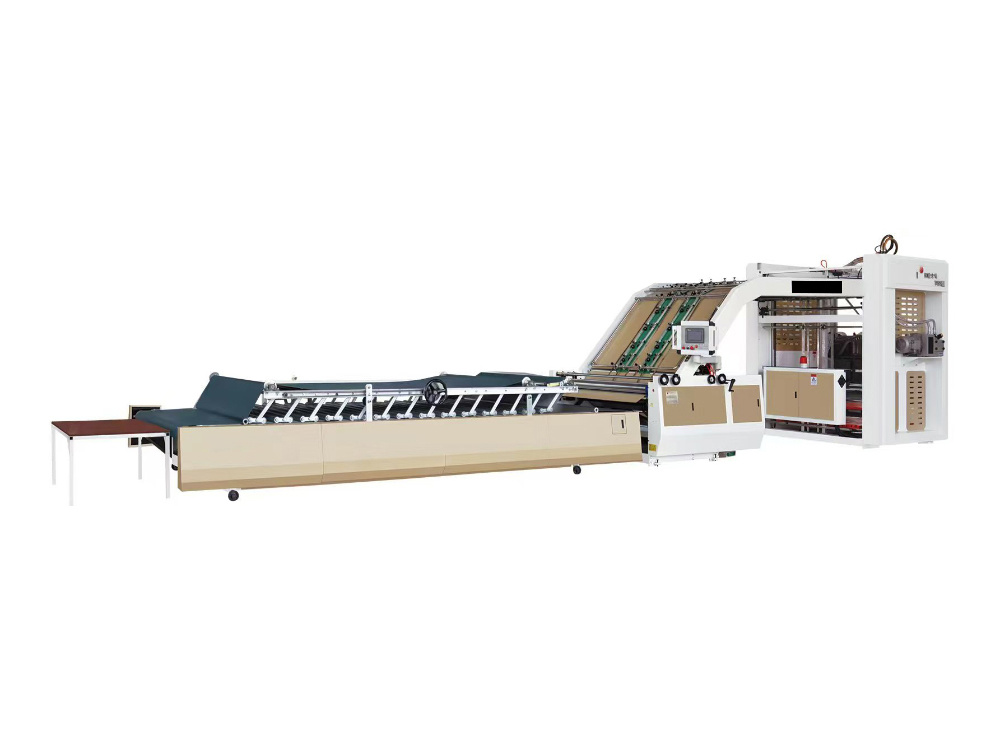
In the realm of manufacturing and packaging machinery, the semi-automatic flute laminator stands out as a pivotal tool designed to enhance efficiency and precision in the lamination process. This type of laminator is particularly beneficial for businesses that require a balance between manual intervention and automated features, allowing for optimal control over production while reducing labor costs.
A semi-automatic flute laminator typically operates by feeding sheets of material through a series of rollers, where adhesive is applied to the flute (or corrugated) material. The semi-automatic aspect means that while the machine automates the application of the adhesive and the pressing of the sheets together, operators still play a crucial role in loading and managing the materials. This dual approach enables high-quality output while allowing for customization based on specific production requirements.
One of the primary advantages of using a semi-automatic flute laminator is its versatility. These machines are capable of handling various types of substrates, including paperboard, cardboard, and other laminating materials. This flexibility is essential for businesses that serve diverse markets and require the ability to switch between different packaging solutions quickly.
In addition to versatility, semi-automatic flute laminators are designed for ease of use and maintenance. Operators can easily adjust settings to accommodate different thicknesses of materials and adhesive types. This adaptability not only streamlines production but also reduces downtime, allowing for higher throughput and increased productivity.
Another significant benefit is the precise control over adhesive application, which is crucial for maintaining the integrity of the laminated product. A well-calibrated semi-automatic flute laminator ensures that the right amount of adhesive is used, minimizing waste and ensuring consistent quality across batches. This precision contributes to the durability and aesthetic quality of the final packaging, which is vital for branding and customer satisfaction.
Moreover, the integration of safety features in modern semi-automatic flute laminators cannot be overlooked. These machines often come equipped with emergency stop buttons, safety guards, and other mechanisms to protect operators during the lamination process. Such safety protocols are critical in maintaining a safe working environment and complying with regulatory standards.
In conclusion, investing in a semi-automatic flute laminator can significantly enhance the efficiency of packaging operations. With their ability to combine automation with operator involvement, these machines provide a practical solution for manufacturers looking to improve their production processes. By understanding the capabilities and benefits of semi-automatic flute laminators, businesses can make informed decisions that drive productivity and quality in their packaging endeavors.
A semi-automatic flute laminator typically operates by feeding sheets of material through a series of rollers, where adhesive is applied to the flute (or corrugated) material. The semi-automatic aspect means that while the machine automates the application of the adhesive and the pressing of the sheets together, operators still play a crucial role in loading and managing the materials. This dual approach enables high-quality output while allowing for customization based on specific production requirements.
One of the primary advantages of using a semi-automatic flute laminator is its versatility. These machines are capable of handling various types of substrates, including paperboard, cardboard, and other laminating materials. This flexibility is essential for businesses that serve diverse markets and require the ability to switch between different packaging solutions quickly.
In addition to versatility, semi-automatic flute laminators are designed for ease of use and maintenance. Operators can easily adjust settings to accommodate different thicknesses of materials and adhesive types. This adaptability not only streamlines production but also reduces downtime, allowing for higher throughput and increased productivity.
Another significant benefit is the precise control over adhesive application, which is crucial for maintaining the integrity of the laminated product. A well-calibrated semi-automatic flute laminator ensures that the right amount of adhesive is used, minimizing waste and ensuring consistent quality across batches. This precision contributes to the durability and aesthetic quality of the final packaging, which is vital for branding and customer satisfaction.
Moreover, the integration of safety features in modern semi-automatic flute laminators cannot be overlooked. These machines often come equipped with emergency stop buttons, safety guards, and other mechanisms to protect operators during the lamination process. Such safety protocols are critical in maintaining a safe working environment and complying with regulatory standards.
In conclusion, investing in a semi-automatic flute laminator can significantly enhance the efficiency of packaging operations. With their ability to combine automation with operator involvement, these machines provide a practical solution for manufacturers looking to improve their production processes. By understanding the capabilities and benefits of semi-automatic flute laminators, businesses can make informed decisions that drive productivity and quality in their packaging endeavors.
TAG:
PREVIOUS:

Contact Us
Phone/WhatsApp
Address
QuZhuang Village, DongGuang County, CangZhou City, HeBei Province, China
Leave Messages
We will contact you within one working day. Please pay attention to your email.

QuZhuang Village, DongGuang County, CangZhou City, HeBei Province, China


